When a transponder key refuses to start your vehicle, practical steps matter more than panic. You can handle replacement or programming without blind guesses if you know the service options and what to expect. In many cases a local pro can help immediately, so call local locksmith services when you need on-the-spot programming or replacement and want https://locksmithunit.com/locksmith-chuluota-fl/ a licensed technician.
How transponder systems fail in real cars and trucks.
Transponder keys carry a tiny chip that exchanges a rolling or fixed code with the vehicle. Failures happen because the chip inside can go bad, the key gets crushed, or the vehicle's receiver stops reading signals. Sometimes the problem is the key; other times the fault is the car's antenna ring or the immobilizer module itself.
What the technician does when they program a transponder key for you.
Mobile technicians usually arrive with an inventory of blank keys and handheld programmers for popular vehicles. The technician will often test the old key or the vehicle to confirm the immobilizer behavior, then use a programmer to write a new code to the key, and finally verify the key starts the engine and operates locks. If the car's security module is at fault, the locksmith will explain repair versus dealer programming and the expected added cost.
Why many drivers call a locksmith rather than the dealer for transponder work.
A local locksmith usually costs less and can come to you the same day, which matters if you're stranded or on a schedule. When the vehicle's protocol is proprietary the locksmith will either route you to the dealer or collaborate with one, rather than guessing and creating risk. Weigh cost, warranty, and convenience when choosing between dealer and locksmith solutions.
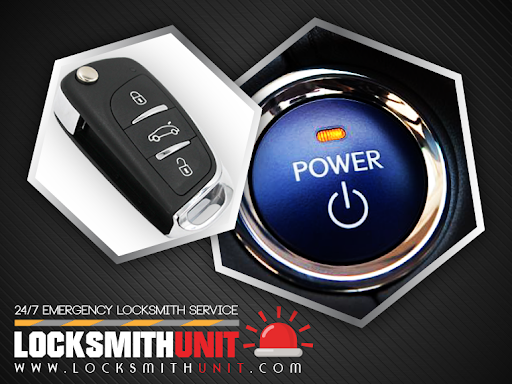
How much transponder key replacement and programming actually cost.
Typical mobile locksmith pricing for cutting and programming a single transponder key varies widely, but a common range is roughly $80 to $300 depending on vehicle make and distance. If your car requires dealer-only programming prepare for a larger bill compared to aftermarket locksmith options. Turnaround is usually under an hour on site for a straightforward reprogram or replacement, although unusual cars or diagnostic work can stretch to several hours or a follow-up appointment.
Key details that speed the job and lower costs.
Start with the vehicle make, model, year, and whether you have any working keys left, because that determines programming options. Providing the VIN and noting special editions or engine variants helps the locksmith bring compatible blanks and software. Logistics matter, so say where the car is and whether the location is safe and well lit; technicians will reschedule if conditions are unsafe.
What you can and cannot test yourself with confidence.
You can test a suspected dead transponder by trying a spare key, moving the key close to the ignition, or checking the key fob battery if it also has remote functions. Unless you are trained in microelectronics, do not disassemble a transponder key or use unlicensed programming tools, as mistakes are expensive. Take photos of the key, registration, and any stamped codes to share with the technician before they arrive, which can speed preparation.
Anchor and parts note: where to find service and what to expect.
Mobile technicians usually carry a selection of transponder blanks, key shells, programmer devices, and cutting machines for fast onsite service. You can check options and schedule a visit through mobile locksmith booking and ask whether the tech carries your specific blank or if an OEM part is needed. When an OEM-only blank is required the locksmith will explain timeline and dealer requirements and seek your approval.
Why locksmiths ask for ID and proof of ownership.
Legitimate locksmiths will ask for photo ID and proof of vehicle ownership before cutting or programming keys to prevent theft and fraud. If you cannot produce paperwork, a locksmith may decline the job or require contact with the registered owner; that is a safety and legal standard rather than an obstacle. Dealership authorization often needs more paperwork and internal checks when matching keys to VINs, which can slow the job.
How ignition switch and barrel problems mimic transponder failures.
Sometimes the key and chip are fine but the ignition switch or barrel is mechanically failed, producing no start even with a properly programmed key. Technicians test the key in multiple ways and inspect the ignition ring and wiring to determine whether the problem is mechanical or electronic. Ignition hardware repair sometimes adds steps and cost, but it avoids repeated failed key attempts after changing the physical lock.
When you need a new fob versus a new transponder.
The fob's RF transmitter for locks is different from the immobilizer chip, and each may require separate programming or battery replacement. Combining fob replacement and transponder programming is common practice and usually saves time and money. If the remote buttons fail but the car starts, try a battery replacement first and call a locksmith for full remote reprogramming only if the battery swap does not help.
How to vet a locksmith for automotive transponder work.
Look for licensed, insured technicians with clear pricing, positive local reviews, and transparent policies about parts and warranty. Red flags include vague estimates, demands for full payment upfront without invoice, and refusal to show identification or a company vehicle wrap. Confirm in advance that the locksmith has compatible blanks, understands manufacturer protocols, and can program spares during the visit to avoid repeat trips.

Avoidable problems that technicians see frequently.
A missing registration or title commonly delays work since verification is part of responsible practice. Wrong or incomplete vehicle information sent in advance often means the tech arrives without the right blank or software, requiring a second trip. If a locksmith is upfront that the vehicle needs dealer tools accept that estimate rather than press for a workaround, because unauthorized programming can brick systems.
Storage and insurance tips for spare transponder keys.
A spare key saved at home or with a trusted friend avoids expensive emergency calls and gets you back on the road faster. Keeping a record of key part numbers and programming receipts simplifies later replacements and reduces guesswork. If your keys cost several hundred dollars each, an insurance or membership that covers locksmith services can make financial sense.
Repair stories from the field and practical lessons learned.
I once responded to a late-night call where the owner thought both keys were dead but the problem was a blown fuse that controlled the antenna ring, which saved them dealer bills. On another call a badly repaired aftermarket ignition barrel damaged the transponder when the key blade fractured, creating a more expensive repair than if the owner had used a pro initially. Real cases reinforce that a methodical approach saves time and money compared with guesswork or rushed fixes.
Preparing for dealer programming so you waste less time and money.
If the locksmith confirms dealer-only programming, call the dealer ahead and ask about requirements, time estimates, and whether they will supply parts on the same day. Dealers typically require documentation and may refuse to program keys without ownership proof, so come prepared. Dealer work costs more but often comes with factory warranty and access to proprietary diagnostics that independent techs cannot run.
Final decision factors and a checklist to call the right service.
If you have a spare key, try it; if not, check paperwork and call a licensed mobile locksmith for a fast quote and likely same-day service. If the locksmith confirms dealer-only programming schedule that visit with documents in hand; if the locksmith can do the work, confirm parts, warranty, and total price before they begin. Have these items ready: spare attempt, VIN, proof of ownership, vetted locksmith with quote, and agreed warranty terms.
If you need immediate help, a trained mobile locksmith is usually the fastest path back on the road. You can request help and check availability at transponder key programming service and ask the operator whether they carry blanks for your make before they dispatch a technician. Good results come from clear communication, documentation, and preference for transparent pricing when deciding between independent and dealer services.
Locksmith in Orlando, Florida: If you’re looking for a reliable locksmith in Orlando, FL, our company is here to help with certified and trustworthy locksmith services designed to fit your needs.
Locksmith Orlando | Locksmith Unit
- Address: 3725 Conroy Rd, Orlando, FL 32839, United States
- Phone: +1 407-267-5817
- Hours: Open 24 hours
- Website: locksmithunit.com
- Contact Us: Contact Locksmith Unit Orlando, FL
- About Us: About Locksmith Unit Orlando, FL
Connect with us
- Google Business Profile: Locksmith Orlando | Locksmith Unit on Google Maps
- Facebook: Locksmith Orlando | Locksmith Unit on Facebook
- Instagram: Locksmith Orlando | Locksmith Unit on Instagram
- YouTube: Locksmith Orlando | Locksmith Unit on YouTube
- TikTok: Locksmith Orlando | Locksmith Unit on TikTok
- X (Twitter): Locksmith Orlando | Locksmith Unit on X (Twitter)
- LinkedIn: Locksmith Orlando | Locksmith Unit on LinkedIn
- Pinterest: Locksmith Orlando | Locksmith Unit on Pinterest
- Threads: Locksmith Orlando | Locksmith Unit on Threads
- Blogger: Locksmith Orlando | Locksmith Unit on Blogger
- Tumblr: Locksmith Orlando | Locksmith Unit on Tumblr
- Bluesky: Locksmith Orlando | Locksmith Unit on Bluesky
- Band: Locksmith Orlando | Locksmith Unit on Band
- VK: Locksmith Orlando | Locksmith Unit on VK
- Yelp: Locksmith Orlando | Locksmith Unit on Yelp
Worldwide Brand Profiles
- Medium: Locksmith Unit on Medium
- Instapaper: Locksmith Unit on Instapaper
- Diigo: Locksmith Unit on Diigo